A day after Brazil went out of the World Cup, he won in Detroit and took the victory lap with the flag.
In Detroit, Ayrton Senna had built a lead of six and a half seconds when his right rear tire began to lose air. On lap 14, he pulled into the pits. He rejoined in eighth, twenty seconds behind the new leader, René Arnoux. The win seemed to be slipping away. The day before, Brazil had also watched its chance to stay in the World Cup slip away. What Senna did next turned the race into an image that would endure for his country.
A day that began with defeat
In Guadalajara, Brazil and France drew 1–1. Brazil had a chance to settle the match, but Zico’s penalty was saved by Joël Bats. In the shootout, Sócrates and Júlio César also missed. France won 4–3 and knocked Brazil out of the World Cup in Mexico.
The next day, June 22, 1986, Senna raced in the Detroit Grand Prix. The French connection was in the car too: Renault supplied the engines for Lotus that season. After Brazil’s elimination, French members of the team had taunted Senna. On track, he started from pole position and seemed to have the race under control—until the tire forced him to stop.
Rebuilding the race, one place at a time
Senna rejoined in eighth and began moving forward. On lap 15, he passed Michele Alboreto. On lap 17, he overtook Stefan Johansson. A lap later, René Arnoux stopped for tires, giving Senna another place. On lap 28, he got past Alain Prost’s McLaren. On lap 31, Nigel Mansell fell behind him.
The recovery took time. After the unexpected stop, Senna had to rebuild his advantage. On lap 39, he retook the lead. He crossed the finish line 31 seconds ahead of second-place Jacques Laffite, earning his fourth Formula One victory. It was also his first win in the United States.
The flag on the victory lap
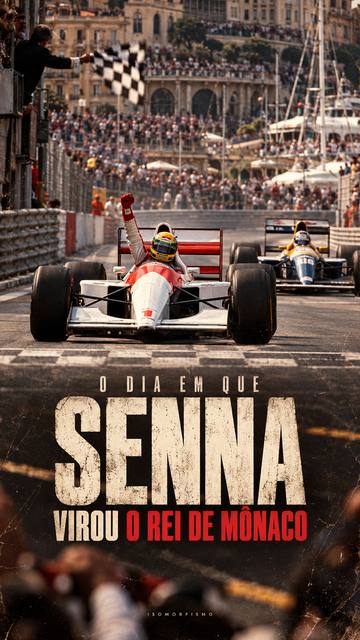
During the race, Senna had seen a fan waving a small Brazilian flag in the stands. After the finish, he stopped the car to take it before continuing around the circuit. The image carried the weight of the match the day before: Brazil had been eliminated, but the fan still held the flag aloft.
Senna described the win without turning it into a contest against the French: “I did not beat any French or anybody; I raced for my country and I’m glad we won.” His answer to the team’s taunts became a familiar gesture: carrying Brazil’s flag after a victory. In Detroit the following year, Senna repeated it during the cool-down lap, raising the flag again from inside the Lotus.
The race on June 22 did not erase Brazil’s elimination. But the next day, it gave supporters an image to hold on to: Senna fighting his way to victory, carrying his country’s colors with him. The national team had been knocked out; Brazil was still there, raised in Senna’s hand.